Limited-Time Carpet Special - Claim Now!
DIY Carpet Cleaning: Avoid These 5 Costly Mistakes
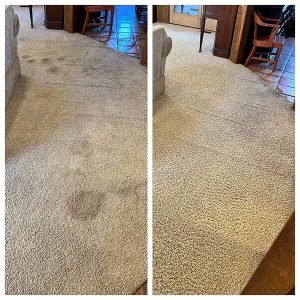
Over-wetting: Why saturation damages carpet and how to prevent it
The most damaging mistake homeowners make when attempting to clean their own carpets is using excessive water. Consumer-grade rental machines and DIY steam cleaners typically lack the extraction power necessary to remove the moisture they deposit, leaving carpets saturated for extended periods. When carpet fibers and the underlying padding remain wet for more than 12 to 24 hours, you create an ideal environment for mold growth, mildew development, and permanent fiber damage. The backing may delaminate, seams can separate, and the carpet adhesive can break down, leading to wrinkles and buckling that require professional restretching or complete replacement.
In the Anderson and Clemson areas, where summer humidity regularly exceeds 70 percent between June and September, over-wetted carpets can take three to five days to dry completely without professional air movers. Homeowners often make the situation worse by closing windows to maintain air conditioning, trapping moisture inside and accelerating bacterial growth. The musty odor that develops within 48 hours is not just unpleasant; it indicates biological contamination that penetrates deep into the padding and subfloor, often requiring removal and replacement rather than simple cleaning.
To avoid over-wetting, apply cleaning solution sparingly and make multiple dry extraction passes over each section. Rental machines should move slowly during extraction to allow maximum moisture removal. Open windows, run ceiling fans, and use dehumidifiers to accelerate drying. Walk on the carpet minimally during the drying period to prevent dirt transfer and fiber matting. Professional hot water extraction systems use truck-mounted equipment that generates significantly more vacuum power than portable units, removing 95 percent or more of applied moisture and allowing carpets to dry within four to six hours. When dealing with heavily soiled carpets, stains that have penetrated padding, or high-humidity conditions, professional service eliminates the risk of moisture damage and ensures thorough soil removal without compromising carpet structure or indoor air quality.
Chemical damage: Selecting the wrong solution ruins carpet permanently
Using inappropriate cleaning chemicals represents the second most costly DIY carpet cleaning error. Many homeowners select products based on marketing claims rather than carpet fiber type, pH compatibility, or stain chemistry. Alkaline cleaners with pH levels above 10 can permanently damage wool and natural fibers, causing color loss and texture degradation. Conversely, acidic solutions can set protein-based stains like blood or pet accidents, making them impossible to remove. Oxygen bleach products marketed for carpet use can cause irreversible color bleeding in solution-dyed nylon, while chlorine-based cleaners destroy carpet dyes entirely, leaving permanent white spots that cannot be repaired.
The residue left by improper cleaning products creates additional problems that compound over time. Soaps and detergents that are not thoroughly extracted leave a sticky film on carpet fibers that attracts dirt aggressively, causing cleaned areas to re-soil within days or weeks. This rapid re-soiling convinces homeowners that their carpets need more frequent cleaning, perpetuating a cycle that wears fibers prematurely and shortens carpet lifespan by years. In the Greenville and Seneca regions, where red clay soil is prevalent, residue-attracting cleaners can cause cleaned carpets to appear dirtier than before treatment as tracked-in clay particles bond to the residue.
Always identify your carpet fiber type before selecting any cleaning product. Test any solution in an inconspicuous area and wait 24 hours to check for color change or fiber damage. Use pH-neutral cleaners specifically formulated for your carpet type, and rinse thoroughly with clean water to remove all residue. Avoid combination products that claim to clean and protect in one step, as these typically leave heavy residues. Professional carpet cleaning technicians use pH-balanced solutions selected for specific fiber types and soil conditions, followed by thorough extraction and optional rinses that eliminate residue completely. When dealing with valuable carpets, specialty fibers like wool or silk, or stubborn stains that require targeted treatment, professional chemical selection and application prevent costly damage while delivering superior results.
Abrasive cleaning: How aggressive scrubbing destroys carpet fibers
When confronted with a visible stain, the instinctive response is to scrub vigorously until it disappears. This aggressive mechanical action causes immediate and permanent damage to carpet construction. Scrubbing distorts the fiber twist, frays individual filaments, and creates a fuzzy, damaged appearance that cannot be reversed. The damaged area becomes a permanent traffic pattern that attracts soil and appears darker than surrounding carpet even after the original stain is removed. Rotary scrubbing machines and stiff-bristled brushes accelerate this damage, especially on cut-pile carpets like plush and saxony styles where fiber alignment is critical to appearance.
Scrubbing also drives stains deeper into carpet backing and padding rather than removing them. The mechanical action forces liquid and soil particles through the carpet face into lower layers where extraction becomes nearly impossible. Pet urine, for example, when scrubbed instead of blotted, penetrates through the backing into the pad and subfloor, requiring pad replacement and subfloor sealing rather than simple surface cleaning. In Anderson County homes with original hardwood floors beneath carpeting, aggressive scrubbing of pet accidents can force urine into wood grain, causing permanent odor and requiring floor refinishing after carpet removal.
The correct approach to spot cleaning involves blotting from the outside of the stain toward the center using clean white absorbent cloths. Apply cleaning solution sparingly, allow it to dwell for the recommended time to break down the stain chemistry, then blot again without rubbing. For dried or set-in stains, repeated applications with adequate dwell time work more effectively than aggressive scrubbing. Use a soft-bristled brush only for gentle agitation of cleaning solution into fiber, never for forceful scrubbing. Professional spot treatment combines proper chemical selection with controlled agitation techniques and powerful extraction that removes stains from all carpet layers without fiber damage. Stains that have been improperly treated with scrubbing often require color repair or fiber replacement in addition to stain removal, making professional intervention essential for preserving carpet appearance and value.
Insufficient preparation: Why skipping pre-treatment guarantees poor results
Attempting to clean carpets without proper pre-treatment is comparable to painting without priming. Most DIY carpet cleaning failures stem from applying hot water extraction directly to dry, soiled carpet without any preparation. Carpet soil consists of multiple layers: surface dirt that sits on top of fibers, particulate soil embedded within the fiber bundle, and oily residues that bond soil to fiber surfaces. Without pre-treatment to break down these different soil types, hot water extraction can only remove surface contamination, leaving embedded soil that immediately wicks to the surface as the carpet dries, creating the appearance that cleaning was ineffective or even made the carpet dirtier.
Pre-treatment chemicals require adequate dwell time to work effectively. Most products need 10 to 15 minutes of contact time to emulsify oils, suspend particulate soil, and break down organic matter. Homeowners typically spray and immediately extract, providing insufficient time for chemical action. Traffic lanes with compacted soil need even longer dwell times and may require multiple applications. In Pickens County homes near Lake Hartwell, where sandy soil is common, inadequate pre-treatment leaves silicate particles embedded in carpet that create abrasive wear and dull appearance despite repeated cleaning attempts.
Effective pre-treatment begins with thorough vacuuming to remove dry soil that would turn to mud when wet. Apply pre-treatment solution evenly to all areas, with extra attention to traffic patterns and visible soiling. Allow the recommended dwell time without letting the solution dry completely. For heavily soiled areas, gentle agitation with a soft brush helps work solution into fiber bundles. Professional carpet cleaning includes multiple pre-treatment steps tailored to specific soil conditions: pre-spray for general soil, specialty spotters for stains, traffic lane treatments for compacted areas, and deodorizers for odor issues. This systematic approach ensures that extraction removes soil from all carpet layers rather than simply wetting and re-depositing surface dirt. When carpets show heavy soiling, stubborn traffic patterns, or have not been professionally cleaned in several years, proper pre-treatment becomes the difference between acceptable results and truly clean carpets.
Premature use: The hidden costs of walking on damp carpet too soon
The final costly mistake occurs after cleaning is complete. Walking on damp carpet transfers soil from shoes directly into wet fibers where it penetrates deeply and bonds as the carpet dries. This creates new stains and soiling patterns that are more difficult to remove than the original dirt. Furniture placed on damp carpet creates rust stains from metal furniture feet, dye transfer from wood finishes, and compression marks that may become permanent. The weight of furniture on wet carpet can also cause delamination, where the backing separates from the carpet face, creating permanent bubbles and wrinkles.
Premature use also disrupts the drying process itself. Foot traffic flattens wet fibers and prevents air circulation at the carpet surface, significantly extending drying time. In occupied homes where family members cannot avoid walking on cleaned carpets, the extended drying period increases the risk of mold and mildew development, particularly in bathrooms, kitchens, and entryways where humidity is naturally higher. Oconee County homes built on crawl spaces face additional challenges, as ground moisture rising through flooring slows carpet drying from below, sometimes requiring 48 to 72 hours for complete drying when air movement is inadequate.
After cleaning, keep all traffic off carpets until they are completely dry to the touch. Use fans to accelerate air movement across the carpet surface, and run air conditioning or dehumidifiers to reduce ambient humidity. Place aluminum foil or plastic film under furniture feet if items must be returned before carpets are fully dry. Avoid wearing shoes on damp carpet, as even clean shoes transfer oils and soil. Professional cleaning services include speed-drying techniques such as high-velocity air movers and moisture-wicking pads that reduce drying time to four to six hours, minimizing disruption and eliminating the risk of mold growth. When scheduling cleaning for high-traffic areas, entryways, or whole-house projects, professional service ensures rapid drying and provides clear guidance on when normal use can resume, protecting your investment and preventing the need for re-cleaning due to premature traffic.